Hotel Adlon
The Collini CaseHotel Adlon becomes the scene of Hans Meyer’s killing and the first public setting of the case that follows. Its fourth-floor Brandenburg Suite is at once a polished hotel interior and the place where Fabrizio Collini’s long silence gives way to an unmistakable act and an immediate surrender to the authorities.
Setting and the Brandenburg Suite
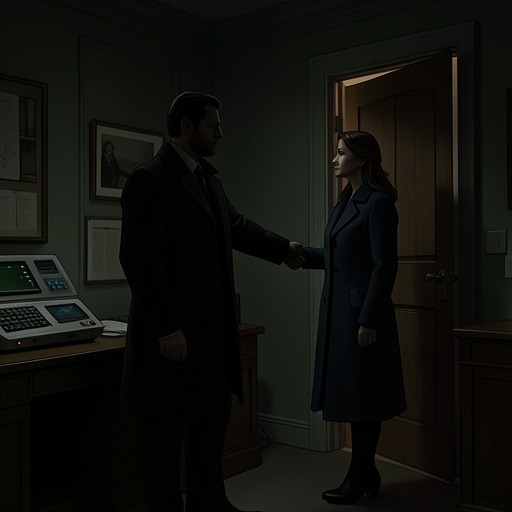
Collini goes to the fourth floor, checks the room numbers, and knocks at room 400, the Brandenburg Suite. Hans Meyer, eighty-five, answers the door and invites him in for an interview. The suite’s sitting room is described through its beige carpet, dark wood, large windows, and solid, expensive furnishings. Through the windows, Collini can see the Brandenburg Gate, which seems unusually close.
The room’s controlled comfort contrasts with Collini’s unease: the air conditioning keeps the suite cool, while he is sweating and remarks on it. Meyer attributes the atmosphere to sultry weather and impending rain, though the rooms themselves are cool. These details make the setting feel composed and ordinary immediately before it becomes the site of a killing.
The Killing and the Lobby
Twenty minutes after Collini enters the suite, Meyer is dead. Collini leaves the pistol on a table and remains beside the body before leaving the room. He crosses himself, takes the lift to the ground floor, and reaches the lobby limping because the heel has come off his shoe.
There, Collini tells the receptionist to call the police and identifies room 400 as the place where Meyer is dead. He sits on a blue sofa and waits to be arrested. His footprints trace his route across the marble lobby and back through the lift to the suite, linking the hotel’s public interior to the private room where the killing occurred. An electronic panel in the lobby displays the date, 23 May 2001, and an eight o’clock event at Spree Hall for the Association of German Engineering Industries.
The Hotel in the Case’s Public Record
After Collini’s arrest, Hotel Adlon reappears in television coverage of the murder. During the first night of his preparation for the case, Caspar Leinen sees footage showing the hotel alongside the remand prison and the police station used by the murder squad. The report identifies Meyer as the dead man and says that the motive remains unclear while the public prosecutor’s office investigates.
The hotel thus marks both the crime’s immediate geography and its transition into public scrutiny. Room 400 contains the encounter and killing; the lobby is where Collini summons the police and submits to arrest; later, the hotel’s image becomes one of the first visual shorthand representations of the case.